
Turning complexity
into clarity.
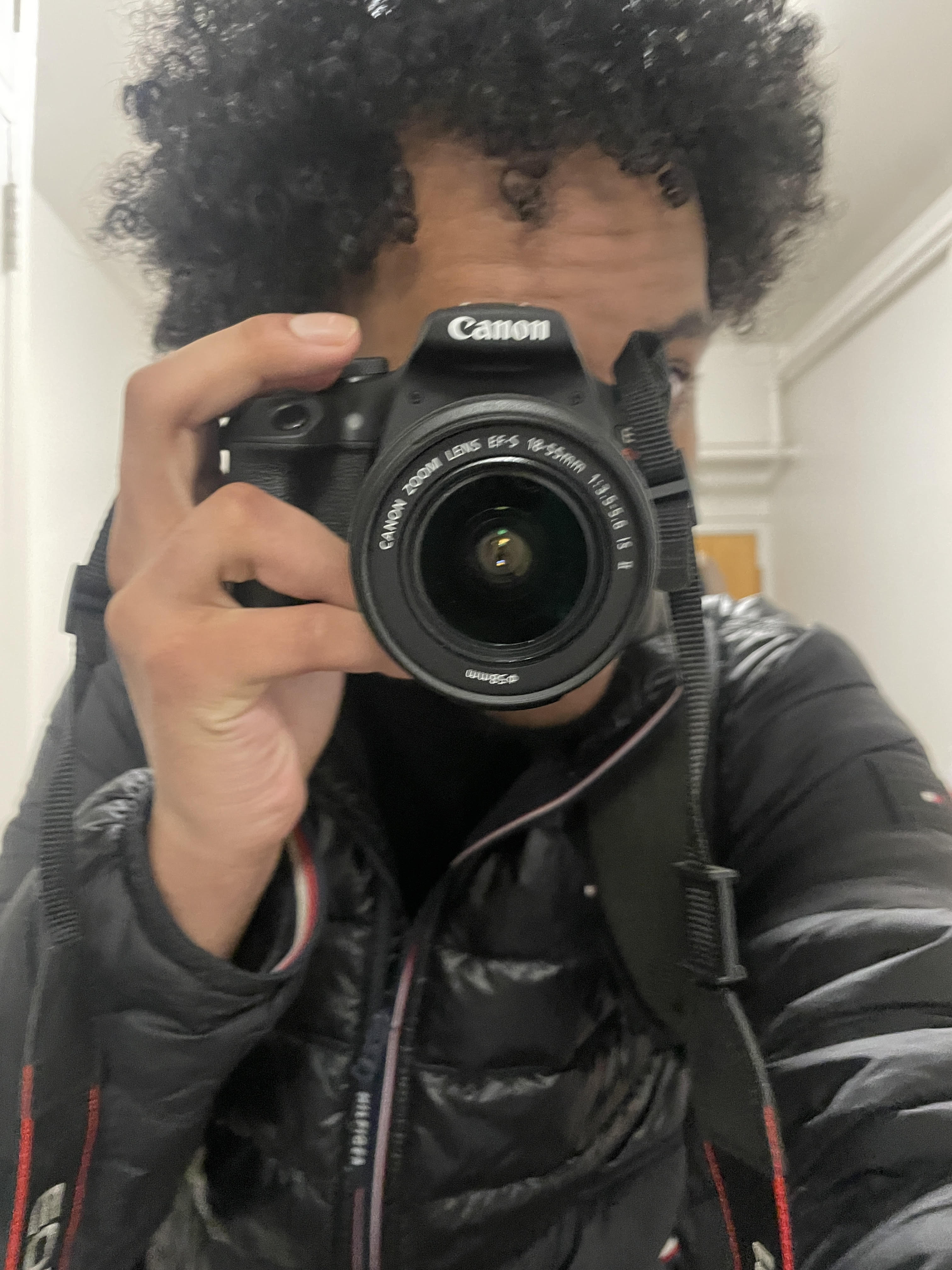
Hi! I'm Hamza Mohammed, a first-generation college student at Macalester College studying Computer Science with a concentration in Cognitive Science and a minor in Psychology. I'm a Posse Foundation Leadership Scholar and a UNCF/3M Scholar.
I discovered a passion for understanding people and technology early on, which led me to UX/UI Design. I earned a certification with Prime Digital Academy with full tuition, interned at the City of Saint Paul as a UX Designer and Researcher, and later at Amazon. I continue to develop my skills by integrating UX Design with software development in my coursework and have made it a mission to bridge the gap between design practices and technical applications.
When I'm not designing, I enjoy exploring how technology and human behavior intersect, solving problems, and refining my approach to user-centered design. In college, I study cognition and psychology and enjoy learning about human schemas and why humans are the way they are.
Where I've worked
UX Designer
Amazon — People Experience & Technology (PXT)
Worked on the PXT team to improve the new hire onboarding journey and internal HR tooling. Conducted user interviews with new employees, mapped end-to-end experiences, and redesigned key digital touchpoints.
How I think about
design problems.
Four principles that guide every decision I make — from the first stakeholder brief to the final pixel.
Empathy Before Everything
Great design starts with listening. Before sketching a single wireframe, I immerse myself in the user's world — their frustrations, motivations, and mental models. Research isn't a phase; it's a mindset.
Clarity Over Cleverness
The most elegant solution is the one users never have to think about. I resist design for design's sake and focus on reducing cognitive load — every element earns its place on the screen.
Inclusive by Default
Designing for edge cases makes the core experience stronger. Accessibility isn't a checklist — it's a lens I apply from the first sketch to the final handoff, ensuring no user is left behind.
Iterate Until It Clicks
The first idea is never the last. I prototype early, test often, and treat every user session as a gift of insight. Failure in a prototype is just learning with low stakes.